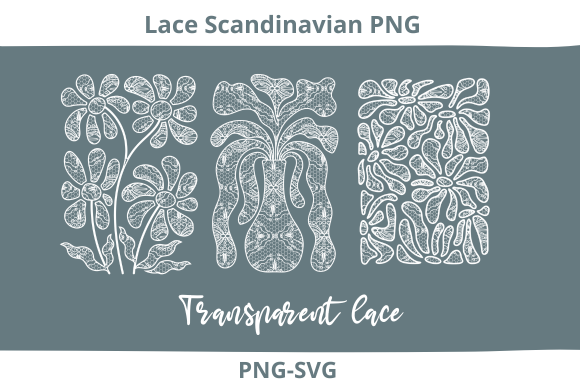
Lace Flowers PNG Chinoiserie Tee: A Designer's Review
When I first pulled up the Lace Flowers PNG Chinoiserie Tee on my screen, I wasn't just looking at another digital asset to fill a folder. As someone who spends hours hooping fabric and threading needles, I look for designs that translate well from a flat graphic into a tactile, stitched reality. This piece sits firmly in the Illustrations and Graphics category, but its potential goes far beyond a simple print. The aesthetic is a fascinating blend of delicate Scandinavian floral lines with the ornate, structured feel of Chinoiserie patterns. It creates a mood that is both vintage and incredibly trendy, perfect for the current market shift toward "cottage-core" meets modern boutique style.
First Impressions and Visual Personality
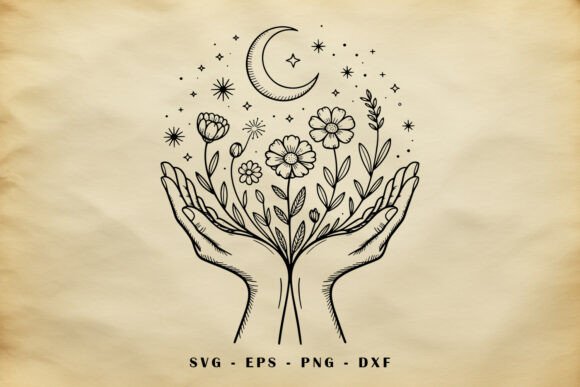
The immediate appeal of this design lies in its intricate line work. Even as a PNG intended for sublimation or printing, the lines suggest a natural path for embroidery digitizing. The "lace" element implies openness and airiness, which is crucial when you are working with thread. Heavy, solid fills can often make a design look bulky on a garment, but the lace-inspired nature of these flowers suggests a lighter touch. For an embroidery project, this means we are likely looking at a combination of fine running stitch outlines and perhaps some strategic satin stitch accents to give the petals definition without overwhelming the fabric.
The layout feels balanced, not too dense in the center, allowing the negative space to do the heavy lifting. This is a critical observation for anyone planning to turn this digital embroidery file concept into a physical product. If you are an Etsy seller or run a craft business, you know that customers appreciate designs that look expensive but feel light to wear. The Chinoiserie influence adds a layer of sophistication that elevates it above generic floral clips, making it suitable for higher-end custom apparel or boutique branding.
Real-World Application: The Boutique Tote Scenario
To truly test the viability of this design, I imagined a specific real-life scenario: creating a limited run of canvas tote bags for a local farmer's market pop-up shop. Canvas is a sturdy fabric with a distinct fabric texture that can sometimes eat up fine details. Here is where the Lace Flowers PNG Chinoiserie Tee shines. Because the design relies on linear elements rather than massive blocks of color, it would stitch out beautifully on a medium-weight canvas.
In this hypothetical production run, I would treat the graphic as a blueprint for a custom applique design or a direct stitch-out. Imagine using a cream-colored thread on a natural canvas bag, letting the "lace" pattern emerge through texture rather than high-contrast color. Alternatively, for a bolder look, a deep navy thread colors scheme against a white tote would mimic the classic blue-and-white porcelain associated with Chinoiserie art. The result would be a handmade product that feels curated and thoughtful, rather than mass-produced. Customers interacting with this finished product would likely perceive higher value because the design complexity suggests skilled labor.
Navigating Fabric Challenges and Stitch Density
However, a professional review must also address the pitfalls. While this graphic is stunning, translating it into a machine embroidery design requires careful attention to stitch density. If you are working on stretchy fabrics like a lightweight jersey for a sweatshirt embroidery project or a baby onesie, the dense areas of a lace pattern can cause puckering if not managed correctly. The "lace" look relies on gaps; if those gaps are filled with too many underlay stitches or if the top stitching is too tight, the fabric will distort.
For baby embroidery or items that need frequent washing, such as kitchen towels or aprons, I would advise simplifying the tiniest details. Small, isolated running stitches might pull out over time with aggressive laundering. In these cases, converting the finest lines into a slightly thicker satin column or ensuring a robust stabilizer is used beneath the hoop is non-negotiable. When working on curved surfaces like caps, the layout of these flowers would need to be adjusted to follow the crown's contour, otherwise, the symmetrical nature of the Chinoiserie style might look warped once stitched.
Strategic Use Cases for Maximum Impact
There are specific products where this design would absolutely thrive. Beyond the tote bag mentioned earlier, consider these applications:
- Pillow Covers: The static nature of home decor allows for higher stitch counts and finer detail without worrying about fabric drape or movement.
- Holiday Embroidery: This motif fits perfectly into spring collections or even winter holidays if rendered in metallic threads, offering a unique twist on traditional seasonal decor.
- Embroidered Patches: Creating a cut-out patch with this design allows you to control the backing and stabilizer completely, ensuring the lace details remain crisp before applying it to denim jackets or hats.
- Printable Mockups: Even if you aren't stitching it immediately, using this graphic in printable mockup presentations for your small shop product listings can help visualize the final aesthetic for clients.
Professional Notes for Designers and Makers
Before committing to a full production run or listing this as a personalized gift option, there are practical steps every designer should take. First, always test the design on scrap fabric that matches your final material. What looks good on cotton might behave differently on linen or polyester blends. Check the contrast of your thread choices; sometimes a monochromatic scheme works best for lace styles, while other times, a two-tone approach highlights the depth of the Chinoiserie curves.
It is also vital to verify the licensing terms. Since the source is described as a Graphics download perfect for sublimation, ensure that your intended use—whether selling physical commercial embroidery items or redistributing as design assets—is covered. Do not assume an embroidery file format is included if only a PNG is listed; you may need to digitize it yourself or hire a digitizer to convert the graphic into a stitch-ready format compatible with your machine.
Finally, consider the hoop size required. Intricate floral designs often need a larger hoop to maintain proportion, but if you are working on a small pocket or a child's collar, you may need to scale the design down. Be wary of scaling too much, as the tiny "lace" details could merge into a blob of thread. A quick black-and-white mockup can help you see if the contrast holds up when the color is removed.
In conclusion, the Lace Flowers PNG Chinoiserie Tee offers a rich visual language that bridges the gap between digital illustration and textile art. With thoughtful adaptation regarding stitch types, fabric selection, and stabilization, it has the potential to become a signature element in a maker's portfolio, driving engagement and trust among buyers who appreciate the nuance of handmade quality.