Black and White Daisy Vector: A Designer's Review
When I first opened the Black and White Daisy Flowers Vector Wi file on my screen, the immediate impression was one of quiet confidence. In a market saturated with overly complex floral motifs and neon-bright color palettes, there is something refreshing about a design that relies on contrast and silhouette. As an embroidery designer who spends hours tweaking digitizing settings and testing stitch density, I look for files that translate well from vector to thread without losing their soul. This particular Illustration offers a classic, clean aesthetic that feels versatile enough for high-end boutique work yet simple enough for quick turnaround projects.
The Visual Personality and Stitch Potential
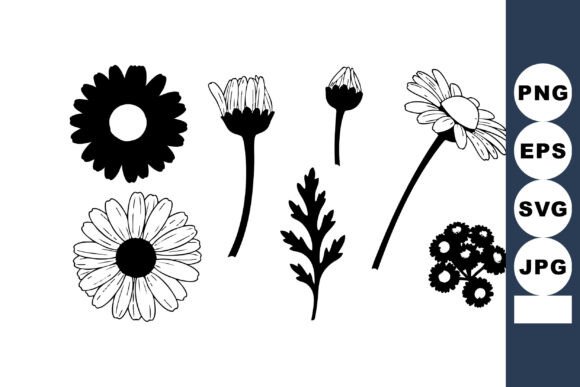
The core strength of this Graphics asset lies in its simplicity. The daisy flowers are depicted in various stages of bloom, accompanied by a leaf silhouette that grounds the composition. Because the source material is a black and white vector, it provides a perfect blueprint for embroidery. There are no muddy gradients or ambiguous shading to interpret; the lines are crisp, defining exactly where a satin stitch border should end and where a fill stitch should begin.
For a machine embroidery design, this clarity is gold. It suggests that when stitched out, the definition between the petals and the background will remain sharp, even on textured fabrics. The "various stages" aspect of the flowers adds a dynamic feel—it's not just a static row of identical blooms, but a natural cluster that implies growth. This visual personality makes it ideal for projects where you want to convey organic beauty without the visual noise of a multi-color palette.
Real-World Application: The Boutique Tote Bag Scenario
To truly evaluate this file, I imagined a specific client request: a local coffee shop owner wanting branded, reusable tote bags for their loyalty program. They wanted something elegant, not cartoonish, that would look good against their signature canvas material. This is where Black and White Daisy Flowers Vector Wi shines.
In this scenario, the design would be digitized as a single-color applique design or a dense fill using black thread on natural beige canvas. The high contrast ensures the logo remains legible from a distance, acting as effective branding. Because the style is "classic and clean," it elevates the perceived value of the handmade product. Customers are more likely to reuse a bag that looks like a piece of art rather than a promotional giveaway. The simplicity also means fewer thread breaks and faster production times, which is crucial for a craft business fulfilling bulk orders.
Beyond tote bags, this design translates beautifully to sweatshirt embroidery. Imagine a charcoal grey crewneck with these daisies stitched in white on the left chest or as a larger back piece. The monochromatic scheme fits perfectly with current streetwear trends that favor minimalism. It also works exceptionally well for baby embroidery; the soft curves of the daisies are gentle and non-aggressive, making them suitable for nursery decor or personalized baby blankets where safety and softness are paramount.
Navigating Fabric Textures and Hoop Constraints
While the design is robust, practical experience dictates that we must consider where it might struggle. The elegance of the silhouette relies on clean edges. If you attempt to stitch this on a highly textured fabric like a chunky knit sweater or a looped terry cloth towel without proper stabilization, the fine details of the leaf silhouette could get lost. The fabric texture can interfere with the stitch definition, turning crisp lines into fuzzy blobs.
Furthermore, if you are working with a small hoop size, you may need to scale the design down significantly. When reducing the size of any digital embroidery file, you risk compromising the stitch density. Tiny gaps between petals might close up, or thin stems might become too delicate to hold together after washing. For custom apparel like caps, the curved surface presents another challenge. The center of the cap is often narrow; ensuring the cluster of daisies fits without distorting the shape requires careful placement and potentially splitting the design if it is too wide.
Dark fabrics present a unique opportunity but also a risk. While a white stitch on black fabric looks striking, you must ensure your underlay stitches are sufficient to prevent the dark fabric from peeking through the white thread, which can dull the "clean" look promised by the vector. Conversely, stitching black on black requires a change in stitch type—perhaps utilizing a running stitch outline instead of a fill to create a subtle, tone-on-tone effect that catches the light differently.
Enhancing Brand Value and Customer Trust
Using a cohesive design like Black and White Daisy Flowers Vector Wi contributes significantly to brand consistency. For an Etsy seller or small shop owner, having a signature motif that appears across different products—pillow covers, tea towels, and patches—creates a recognizable brand identity. The timeless nature of the daisy means the finished product won't look dated in six months, increasing the longevity of your inventory.
From a customer's perspective, the clarity of the design signals professionalism. Sloppy, pixelated, or overly complicated designs can sometimes look amateurish when stitched out. A clean, well-defined floral motif suggests attention to detail. This builds trust, encouraging buyers to view your small shop product as a premium item worth the investment. Whether it is a holiday gift or a wedding favor, the presentation matters, and this vector provides a solid foundation for high-quality execution.
Practical Notes for the Embroidery Designer
Before committing this design to a final project, there are several steps I recommend taking to ensure success:
- Test on Scrap First: Always run a test stitch-out on the exact fabric you intend to use. This reveals how the stabilizer interacts with the material and whether the tension needs adjustment.
- Check Thread Contrast: Even though the vector is black and white, experiment with thread colors. A cream thread on white fabric might offer a softer look than stark white, depending on the desired mood.
- Review Stitch Density: If you are digitizing this yourself from the vector, pay close attention to the pull compensation. Dense floral areas can cause puckering if not managed correctly.
- Verify Licensing: The description mentions a downloadable ZIP, but always confirm the license terms. Ensure you have the rights to use this for commercial embroidery projects if you plan to sell the finished items.
- Mockup Testing: Create printable mockups or digital previews to see how the design scales on different garments before cutting into expensive fabric.
In conclusion, Black and White Daisy Flowers Vector Wi is a versatile asset that bridges the gap between digital illustration and tactile embroidery. Its strength lies in its adaptability and timeless appeal. By understanding its limitations regarding fabric texture and hoop size, and by applying careful digitizing practices, designers can turn this simple graphic into a stunning personalized gift or a best-selling design asset for their portfolio. It is a reminder that sometimes, the most impactful designs are the ones that know exactly when to stay simple.